
 | ||||||||||
| Tree with the fern Fractal created by Jenny She used Fractal Explorer
|
Latest Posts
Showing posts sorted by relevance for query fractal explorer. Sort by date Show all posts
Showing posts sorted by relevance for query fractal explorer. Sort by date Show all posts


 | ||||||||||||||
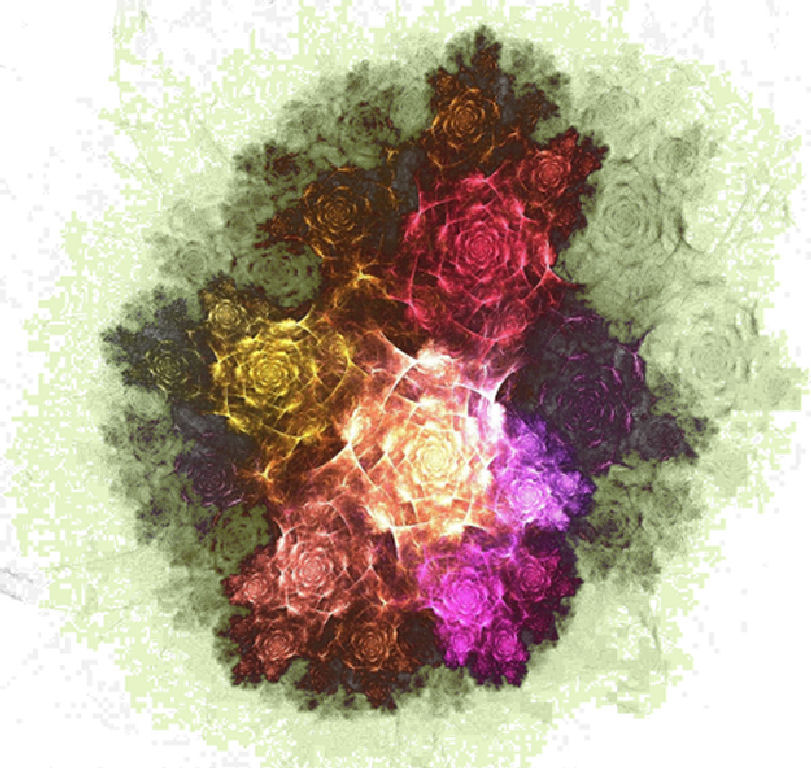
| Winter Rose Fractal created by Louise She used Fractal Explorer
|



There are so different fractal mushrooms....
 |
| Fractal created by Lynn She used Fractal Explorer |
 |
| Fractal created by Jenny She used Fractal Explorer |
 |
| Fractal created by Jenny She used Fractal Explorer |
Fractal created by Jenny | ||

|


 |
| Wild Flowers Fractal created by Krys She used Fractal Explorer |
 |
| Wild Flowers Fractal created by Krys She used Fractal Explorer |
 |
| Bush of flowers Fractal created by Krys She used Incendia |
Wild flower is a flower that grows in the wild. Wildflowers aren't naturally planted by nature or by humans, but grow in the wild.
Wildflowers are native and exotic species. Some species of wildflowers are endangered.
There are so many different wild flowers everywhere we go..
..
 |
| Fauna and flora Fractal created by Jenny She used Fractal Explorer |
Wild flower is a flower that grows in the wild. Wildflowers aren't naturally planted by nature or by humans, but grow in the wild.
Wildflowers are native and exotic species. Some species of wildflowers are endangered.
There are so many different wild flowers everywhere we go...
.
 |
| Wild Flowers western Australia By Raygday - Own work, CC BY-SA 3.0, httpscommons.wikimedia. |
 |
| Picly pea fractal created by Louise She used Fractal Explorer |
 |
| Pea Fractal Created by Jenny She used Fractal Explorer |
 | ||
| Pea Fractal Created by Jenny Used Fractal Explorer
|

 | ||||||
Datura
Fractal created by Louise
She used Fractal Explorer
|


 | ||||||||
| Heather Fractal created by Jenny She used Fractal Explorer
|


 |
| Blue Eyed Grass Fractal created byAlida She used Fractal Explorer |
 |
Blue Eyed Grass |
It is a thin-leaved deciduous hardwood tree in the family Betulaceae, which also includes alders, hazels, and hornbeams. It is closely related to the beech-oak family Fagaceae. The genus Betula contains 30 to 60 known taxa of which 11 are on the IUCN 2011 Red List of Threatened Species. They are a typically rather short-lived pioneer species widespread in the Northern Hemisphere, particularly in northern areas of temperate climates and in boreal climates.

Silverwood. Fractal created by Jenny.
She used Fractal Explorer.

Silvertime. Fractal created by Jenny.
She used Fractal Explorer.
The bark of all birches is characteristically marked with long, horizontal lenticels, and often separates into thin, papery plates, especially upon the paper birch. Distinctive colors give the common names gray, white, black, silver and yellow birch to different species.
The buds, forming early and full-grown by midsummer, are all lateral, without a terminal bud forming; the branch is prolonged by the upper lateral bud. The wood of all the species is close-grained with a satiny texture and capable of taking a fine polish; its fuel value is fair.
Flower and fruit
The flowers are monoecious, opening with or before the leaves. Once fully grown, these leaves are usually 3–6 millimetres long on three-flowered clusters in the axils of the scales of drooping or erect catkins or aments. Staminate catkins are pendulous, clustered, or solitary in the axils of the last leaves of the branch of the year or near the ends of the short lateral branchlets of the year. They form in early autumn and remain rigid during the winter. The scales of the mature staminate catkins are broadly ovate, rounded, yellow or orange color below the middle, and dark chestnut brown at apex. Each scale bears two bractlets and three sterile flowers, each flower consisting of a sessile, membranous, usually two-lobed, calyx. Each calyx bears four short filaments with one-celled anthers or strictly, two filaments divided into two branches, each bearing a half-anther. Anther cells open longitudinally. The pistillate segments are erect or pendulous, and solitary, terminal on the two-leaved lateral spur-like branchlets of the year. The pistillate scales are oblong-ovate, three-lobed, pale yellow-green often tinged with red, becoming brown at maturity. These scales bear two or three fertile flowers, each flower consisting of a naked ovary. The ovary is compressed, two-celled, and crowned with two slender styles; the ovule is solitary. Each scale bears a single small, winged nut that is oval, with two persistent
Medical
Approved topical medicine
In the European Union, a prescription gel containing birch bark extract (commercial name Episalvan, betulae cortex dry extract (5-10 : 1); extraction solvent: n-heptane 95% (w/w)) was approved in 2016 for the topical treatment of minor skin wounds in adults. Although its mechanism of action in helping to heal injured skin is not fully understood, birch bark extract appears to stimulate the growth of keratinocytes which then fill the wound.
Research and traditional medicine
Preliminary research indicates that the phytochemicals, betulin and possibly other triterpenes, are active in Episalvan gel and wound healing properties of birch bark.
Over centuries, birch bark was used in traditional medicine practices by North American indigenous people for treating superficial wounds by applying bark directly to the skin. Splints made with birch bark were used as casts for broken limbs in the 16th century.

Photo taken by Jacek.
 |
| Garlik Fractal created by Jenny She used Fractal Explorer |
Allium is a genus of monocotyledonous flowering plants. There are many species of Allium. They occur in temperate climates of the Northern Hemisphere. Allium genus produce chemical compounds (mostly derived from cysteine sulfoxides) that give them a characteristic (alliaceous) onion or garlic taste and odor. The plant includes:
 |
| Red onion Fractal created by Alida She used Fractal Explorer |
- onion - known as the bulb onion or common onion.
- The onion plant has bluish-green leaves and its bulb at the base of the plant begins to swell (autumn or in spring) the foliage dies down and the outer layers of the bulb become dry and brittle. The crop is harvested and dried and the onions are ready for use or storage.
- History: The geographic origin of the onion is uncertain. Food uses of onions date back thousands of years in China, Egypt and Persia.
- Culinary uses: Onion can be baked, boiled, braised, grilled, fried, roasted, sautéed, or eaten raw in salads.
- Non-culinary uses:Onions have particularly large cells that are readily observed. Onion's cell is easy to separate for educational, experimental, and breeding purposes.
- Freshly cut onions often cause a stinging sensation in the eyes of people nearby, and often uncontrollable tears. This is caused by the release of a volatile gas, which stimulates nerves in the eye creating a stinging sensation. This gas is produced by a chain of reactions which serve as a defense mechanism.
 |
| Allium cepa Photo taken by Jenny |
- Garlic is a very interesting, edible plant knon on all the world. People love and hate it at the same time. They love eating garlic because it makes food's flavor richer, but the garlic and the others plants of Allium genus produce chemical compounds which give a characteristic odor (it is not enjoyable at all). the most interesting feature of the garlic is that it brings most of the health benefits. It is a natural antibiotic which fight against bacterias in people's body:). It also has very few calories but it contains everything what we need to have: Manganese, Vitamin B6, Vitamin C, Selenium, Fiber and decent amounts of Calcium, Copper, Potassium, Phosphorus, Iron and Vitamin B1. The best way to consume garlic is raw, or to crush and cut it and leave it out for a while before you add it to your recipes.
- scallion (also known as spring onions or green onions) are vegetables derived from various species in the genus Allium. Scallions generally have a milder taste than most onions and their close relatives include garlic, shallot, leek, chive, and Chinese onions.
- shallot The shallot is a type of onion. It probably came from Central or Southwest Asia and was travelling from there to India and the eastern Mediterranean. The name "shallot" comes from Ashkelon, an ancient Canaanite city, where people in classical Greek times believed shallots originated. The skin colour of shallots can vary from golden brown to gray to rose red, and their off-white flesh is usually tinged with green or magenta.
 |
| Red onion cut Photo taken by Jenny |
- leek The leek was a part of the Egyptian diet from at least the second millennium BCE onwards. They also allude to surviving texts that show it had been also grown in MesopotamiA from the beginning of the second millennium BCE.
- chives
Ornament: Many Allium species are cultivated as ornamental flowers. The hybrids of Allium "Bea Regard", "Gladiator", "Globemaster" have gained the Royal Horticultural Society's Award of Garden Merit.
Uses: Important economical species: onions, French shallots, leeks, scallions, garlic, chives.


